When advising customers on interior storage, the approach is usually practical and car specific rather than generic. The first consideration is always how the vehicle is used day to day, because storage solutions that work well in one car can be completely wrong for another.
The general view is that a clutter free interior starts with defining spaces. Factory interiors are designed to suit a wide range of drivers, but they rarely provide enough structure for real world use. Custom fit floor mats and boot liners are often the first recommendation. They protect the interior, but more importantly, they create clear boundaries. Once those are in place, loose items are less likely to spread throughout the cabin.
For sedans, the boot is typically deep but not very organised. Items tend to slide and stack on top of each other. In these cases, low profile boot organisers are commonly used. The idea is not to fill the boot with boxes, but to stop everyday items like shopping bags, emergency gear, or work equipment from moving around. Keeping organisers shallow maintains access to the full boot space.
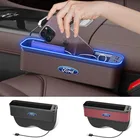
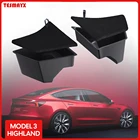

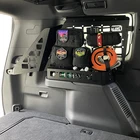
SUVs and wagons benefit from a slightly different approach. Flat cargo areas are convenient, but they allow items to shift easily. Adjustable cargo dividers and foldable storage crates are often recommended because they can be adapted to different loads. The general rule is that anything installed in the boot should be easy to remove. If it becomes a permanent obstruction, it usually ends up being a frustration rather than a solution.
Inside the cabin, restraint is important. Overloading the interior with organisers can make the car feel smaller and less comfortable. The usual advice is to identify what the factory layout is missing and only address those gaps. Centre console trays are a common example. Many modern consoles are deep and unstructured, so adding a simple tray creates layers and makes small items easier to access without clutter.
Door pocket organisers are assessed on a case by case basis. They can work well in vehicles with large, unused door bins, but in tighter cabins they may interfere with legroom or cause rattles. Fit and clearance are always checked before recommending them.
Seat back organisers are generally suggested only for vehicles that regularly carry rear passengers, particularly children. In cars that are mostly driven solo, these accessories often go unused and add visual clutter. Storage should reflect actual usage, not occasional scenarios.
For utes and work vehicles, concealed storage is often prioritised. Under seat compartments and slim behind seat storage units help keep tools secure, out of sight, and properly restrained. Organisation in these vehicles is closely linked to safety, especially during sudden stops.
Overall, the philosophy behind smart storage is not about creating more places to store things. It is about giving essential items a defined home. The common approach is to start with protection, then move to containment, and finally add convenience where needed. When storage accessories are chosen correctly, the interior stays tidy with minimal effort and the car remains comfortable, functional, and easy to live with.