Automotive aerodynamic modifications have moved beyond the realm of race cars and supercars. Today, everyday drivers are adding rear spoilers, front lips, and diffusers to their vehicles for both aesthetic appeal and potential performance gains. Before you bolt on that aggressive-looking wing, though, you need to understand what these components actually do and the risks involved in improper installation.
Understanding Automotive Aerodynamics Basics
Your car pushes through air as it moves. That air creates forces that affect how your vehicle handles, its fuel consumption, and its top speed. Aerodynamic components are designed to manage these forces by redirecting airflow around and under your vehicle.
Two primary forces come into play: drag and lift. Drag resists forward motion and hurts fuel economy. Lift reduces tire contact with the road surface, which can compromise handling and stability at higher speeds. Properly designed aerodynamic parts aim to reduce both while improving overall vehicle dynamics.

Rear Spoilers: Function and Purpose
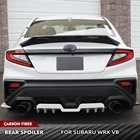
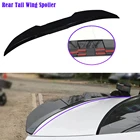
A rear spoiler is a horizontal surface mounted on the trunk or hatchback of your vehicle. Despite popular belief, its primary job isn’t creating downforce like a wing does. Instead, a spoiler disrupts the airflow separating from your vehicle’s rear surface.
How Rear Spoilers Work
As air flows over your car, it eventually separates from the body, typically at the rear edge of the roof or trunk. This separation creates turbulent low-pressure zones behind your vehicle, which increases drag and can create lift. A spoiler extends the roofline slightly, changing where and how this separation occurs.
When properly designed for your specific vehicle, a rear spoiler can:
- Reduce aerodynamic drag by up to 5 percent
- Minimize rear lift for better high-speed stability
- Improve fuel economy marginally on highway drives
- Reduce dirt and water accumulation on rear windows
Important Considerations
Most factory spoilers are wind tunnel tested for the specific vehicle they’re designed for. Aftermarket spoilers rarely receive this level of engineering validation. A poorly designed or incorrectly sized spoiler can actually increase drag rather than reduce it.
Height and angle matter significantly. A spoiler positioned too high or angled incorrectly disrupts airflow in ways that hurt rather than help aerodynamic efficiency.
Rear Wings: The High-Downforce Option
Unlike spoilers, rear wings are elevated above the trunk surface on supports or pedestals. They function more like an upside-down airplane wing, generating actual downforce by creating high pressure above and low pressure below.
Performance Benefits
Rear wings provide measurable benefits, but primarily at speeds most street drivers never reach. Significant downforce generation typically begins around 60 to 70 mph and increases exponentially with speed.
At track speeds above 100 mph, a properly sized wing can:
- Add hundreds of pounds of downforce to the rear axle
- Dramatically improve cornering grip and stability
- Allow later braking into corners
- Reduce oversteer tendencies in rear-wheel-drive vehicles
Street Driving Reality
For daily driving at legal speeds, most rear wings provide minimal functional benefit. The downforce generated at 40 to 50 mph is negligible. What they do provide is increased drag, which hurts fuel economy and reduces top speed.
Large adjustable wings also create significant stress on trunk lids and mounting points. Improper installation can lead to:
- Cracked or damaged trunk lids
- Paint damage from vibration
- Water leaks through mounting holes
- Complete wing separation at highway speeds
Front Spoilers and Air Dams
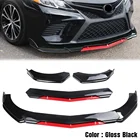
Front spoilers, often called air dams, extend downward from your front bumper. Their purpose is preventing air from flowing underneath your vehicle, which reduces lift and drag created by turbulent undercarriage airflow.
Functional Advantages
A well-designed front spoiler channels more air over and around your vehicle rather than underneath it. This serves multiple purposes:
- Reduces front-end lift at speed
- Improves cooling by directing more air through the radiator
- Decreases overall drag coefficient
- Enhances front-end stability
Many modern vehicles come with integrated front air dams from the factory because they provide measurable aerodynamic benefits even at moderate speeds.
Installation Challenges
The primary drawback of front spoilers is reduced ground clearance. Adding a front spoiler means you’ll scrape on:
- Steep driveway approaches
- Speed bumps
- Parking curbs
- Uneven road surfaces
Damaged front spoilers are extremely common. Unlike rear components, front spoilers constantly face threats from road obstacles. Budget for repairs or replacements if you install an aggressive front spoiler on a daily driver.
Front Lip Spoilers: Subtle Enhancement
Front lip spoilers are smaller, less aggressive versions of full front air dams. They attach to the bottom edge of your existing front bumper, extending it forward and downward by just a few inches.
Why Choose a Front Lip
Front lips offer a middle ground between aesthetics and functionality:
- Provide modest aerodynamic improvements
- Less vulnerable to scraping than full spoilers
- Enhance visual stance without dramatic changes
- Generally easier to install and replace
The aerodynamic benefits are smaller than full front spoilers, but the reduced risk of damage makes them more practical for street use.
Material Selection Matters
Front lips come in various materials, each with advantages:
Polyurethane: Flexible and durable, bounces back from minor impacts, affordable, easier to repair
ABS Plastic: Lightweight and inexpensive, more prone to cracking, good for budget builds
Carbon Fiber: Premium appearance, extremely lightweight, expensive, shatters rather than flexes on impact
Fiberglass: Moderate cost, paintable, brittle and cracks easily
For daily driven vehicles, polyurethane offers the best balance of durability and cost.
Rear Diffusers: Managing Underbody Airflow
Rear diffusers are angled panels that mount underneath your rear bumper. They feature channels or fins designed to slow and organize air exiting from beneath your vehicle.
The Physics of Diffusers
Air traveling under your car moves faster than air going over it, creating lift. A diffuser expands the space this air flows through as it exits, which slows it down and raises pressure. Higher pressure underneath means less lift and better stability.
Effective diffusers require specific conditions to work properly:
- Relatively flat underbody ahead of the diffuser
- Appropriate diffuser angle (typically 10 to 15 degrees)
- Sufficient ground clearance for proper airflow
- Adequate vehicle speed for meaningful effect
Street Car Reality Check
Most aftermarket diffusers are non-functional aesthetic additions. A true performance diffuser requires extensive underbody work that most enthusiasts don’t complete. Without a smooth underbody panel leading into the diffuser, you’re just adding visual interest rather than aerodynamic performance.
Functional diffusers also work best in combination with front splitters and side skirts that manage airflow from the front of the vehicle. Installing just a rear diffuser in isolation provides minimal benefit.
Critical Installation Warnings
Aerodynamic modifications carry real risks when installed improperly. These aren’t just cosmetic additions; they experience significant forces at highway speeds.
Mounting Point Integrity
Bolting heavy components to sheet metal body panels creates stress concentration points. Over time, vibration and aerodynamic loads can:
- Crack body panels around mounting holes
- Tear mounting hardware through thin metal
- Create fatigue failures in structural areas
Always use backing plates or reinforcement washers to distribute load across larger areas. Never rely solely on self-tapping screws in thin body panels for anything experiencing significant aerodynamic force.
Sealant and Water Intrusion
Every hole you drill through body panels creates a potential water entry point. Improperly sealed mounting holes lead to:
- Rust forming inside body panels
- Water damage to interior components
- Electrical problems from moisture
- Mold and mildew in carpet and insulation
Use appropriate automotive sealants around all mounting hardware. Silicone or butyl-based sealants work well for these applications.
Clearance Issues
Before permanently installing any aerodynamic component, test fitment through your vehicle’s full suspension travel:
- Turn wheels to full lock in both directions
- Load the vehicle with typical passenger and cargo weight
- Compress suspension to simulate hitting bumps
- Check clearance at maximum steering angle while moving
Aerodynamic parts that contact tires under compression can cause dangerous blowouts. Components that hit the ground during normal driving will quickly break.
Paint and Finish Considerations
Most aftermarket aerodynamic components arrive in raw plastic or unpainted finish. Achieving a factory-quality appearance requires proper preparation and painting.
Professional Painting Recommended
Unless you have experience with automotive painting, professional work produces vastly superior results. Expect to pay between $200 and $600 per component for quality paint work including:
- Proper surface preparation and sanding
- Primer application
- Multiple color coats
- Clear coat protection
- Color matching to your vehicle
DIY Painting Challenges
If painting yourself, understand the common pitfalls:
- Color matching is extremely difficult without spectrophotometer equipment
- Improper surface preparation causes paint adhesion failures
- Inadequate clear coat leaves parts vulnerable to UV damage
- Texture differences between factory and aftermarket paint become obvious
Cheap paint jobs fade, peel, and chip quickly. Budget appropriately for quality finishing or accept that DIY results will look amateur.
Legal and Insurance Implications
Modifying your vehicle’s exterior can create legal and insurance complications depending on your location.
Registration and Inspection Issues
Some jurisdictions require modified vehicles to pass additional safety inspections. Large aerodynamic modifications may:
- Increase vehicle dimensions beyond legal limits
- Violate bumper height regulations
- Fail to meet pedestrian safety standards
- Trigger requirements for engineering certification
Check local regulations before purchasing expensive components you may not legally be able to use.
Insurance Considerations
Modifications can affect your insurance coverage in several ways:
- Undisclosed modifications may void coverage during claims
- Aftermarket parts typically aren’t covered under standard policies
- Premiums may increase for modified vehicles
- Some insurers refuse coverage for extensively modified cars
Contact your insurance provider before making modifications. Get written confirmation of continued coverage with your planned changes.
The Aerodynamic Package Approach
Individual aerodynamic components work best as part of a complete package rather than isolated additions. Professional race teams and manufacturers design front and rear components together because they interact.
Balanced Aerodynamics
Adding significant rear downforce without corresponding front downforce creates handling imbalance. The car becomes:
- Prone to understeer as the front end loses grip
- Difficult to control during emergency maneuvers
- Less stable during hard braking
Similarly, aggressive front splitters without rear components can create oversteer and rear instability.
The Street Car Compromise
For vehicles primarily used on streets, subtle modifications provide the best balance:
- Small front lip for appearance and modest airflow improvement
- Factory-style rear spoiler or small trunk lip
- Quality fitment and finish rather than extreme designs
Save aggressive wings, splitters, and diffusers for dedicated track cars where their benefits actually matter.
Budget Reality: True Costs of Aero Modifications
The sticker price of aerodynamic components represents only part of your total investment.
Complete Cost Breakdown
For a typical aero package including front lip, side skirts, and rear diffuser, expect:
- Parts: $800 to $2,500
- Paint and finish: $600 to $1,500
- Professional installation: $400 to $800
- Hardware and mounting supplies: $100 to $200
- Potential repairs from damage: $200+ annually
Total investment: $2,100 to $5,000+
Quality components from reputable manufacturers cost more initially but fit better, last longer, and look more professional than cheap alternatives.
When Aerodynamic Mods Make Sense
Aerodynamic modifications provide the most value in specific scenarios:
Track Day Enthusiasts: If you regularly attend track events, proper aero components deliver measurable lap time improvements at high speeds.
Show Car Builders: For vehicles built primarily for appearance at car shows, aesthetic appeal justifies the investment regardless of functional benefit.
High-Performance Builds: Cars with significant engine modifications benefit from improved stability and cooling that proper aero provides.
OEM+ Restoration: Adding factory aerodynamic options your car could have come with from the manufacturer maintains authenticity while improving appearance.
When to Skip Aerodynamic Mods
Aerodynamic modifications don’t make sense for:
- Daily drivers that never see track use
- Vehicles in areas with poor road conditions
- Budget builds where funds would better serve mechanical improvements
- Cars with existing ground clearance issues
Spending thousands on aero components that provide no functional benefit at legal speeds wastes money better invested in suspension, brakes, or engine improvements.
Making Informed Decisions
Before purchasing any aerodynamic component, research thoroughly:
- Read reviews from multiple sources
- Check fitment experiences on model-specific forums
- Verify manufacturer reputation and customer service
- Understand return policies and warranties
- Calculate total costs including installation and finishing
Quality aerodynamic modifications can enhance both appearance and performance when chosen wisely and installed properly. Poor choices create ongoing problems, damage your vehicle, and waste money. Take time to make informed decisions rather than impulse purchases based on appearance alone.